Why these wines
Chosen for the harvest table
Some wines seem to know the season before we do. Orchard fruit, roasted squash and a little warming spice inspired October’s choices. Here is the story behind the bottles I wanted you to bring home.
Every month, my goal is not simply to send you home with two good bottles. It is to choose wines that belong to a moment, and to help you understand why they taste the way they do. October is one of my favourite months to choose for, because the season itself does half the work. The kitchen turns to the harvest: orchard fruit, roasted squash, root vegetables, and those long, slow dinners that ask for something a little more thoughtful in the glass.
The Loïc Mahé Savennières comes from the Loire Valley, and it is a wine I have been waiting for the right season to share with you. Savennières is one of the Loire’s most quietly prestigious appellations, a small corner of Anjou where Chenin Blanc reaches a depth and seriousness that surprises people who think they know the grape. What I love about this Chenin is the way it manages to feel generous and precise at the same time. There is real texture here, but it is carried by bright acidity and a mineral, almost saline freshness that keeps the wine lively.
With a little air, the fruit becomes more expressive, moving through apple, pear and other orchard fruit, with subtle floral and savoury notes underneath. That balance of richness and tension is very much what makes Chenin Blanc from this part of the Loire so compelling. If you have never spent time with Savennières before, I think you are in for a treat.
The Rocky Gully Shiraz brings another part of the season to the table: warmth and spice without heaviness. Frankland River in Western Australia is known for its relatively cool growing conditions, and Shiraz from here can speak with a different accent than the big, ripe styles many people expect from Australia. Look for gentle pepper, blueberry and dark plum, with a freshness that keeps the wine graceful rather than weighty. This is the bottle I would reach for when rosemary lamb or a slow braise is on the menu.
Together, these two wines give you the whole season in a pair of glasses: orchard fruit and mineral tension in the white, warming spice and ripe berries in the red. Pour them alongside your October cooking and notice how each one meets the food in its own way. That conversation between the glass and the plate is, to me, the very heart of why we do this.
Until the next glass, Jody
This month’s wine selections
Autumn Harvest in a Glass
Two places, two producers, and a season’s worth of stories to discover.
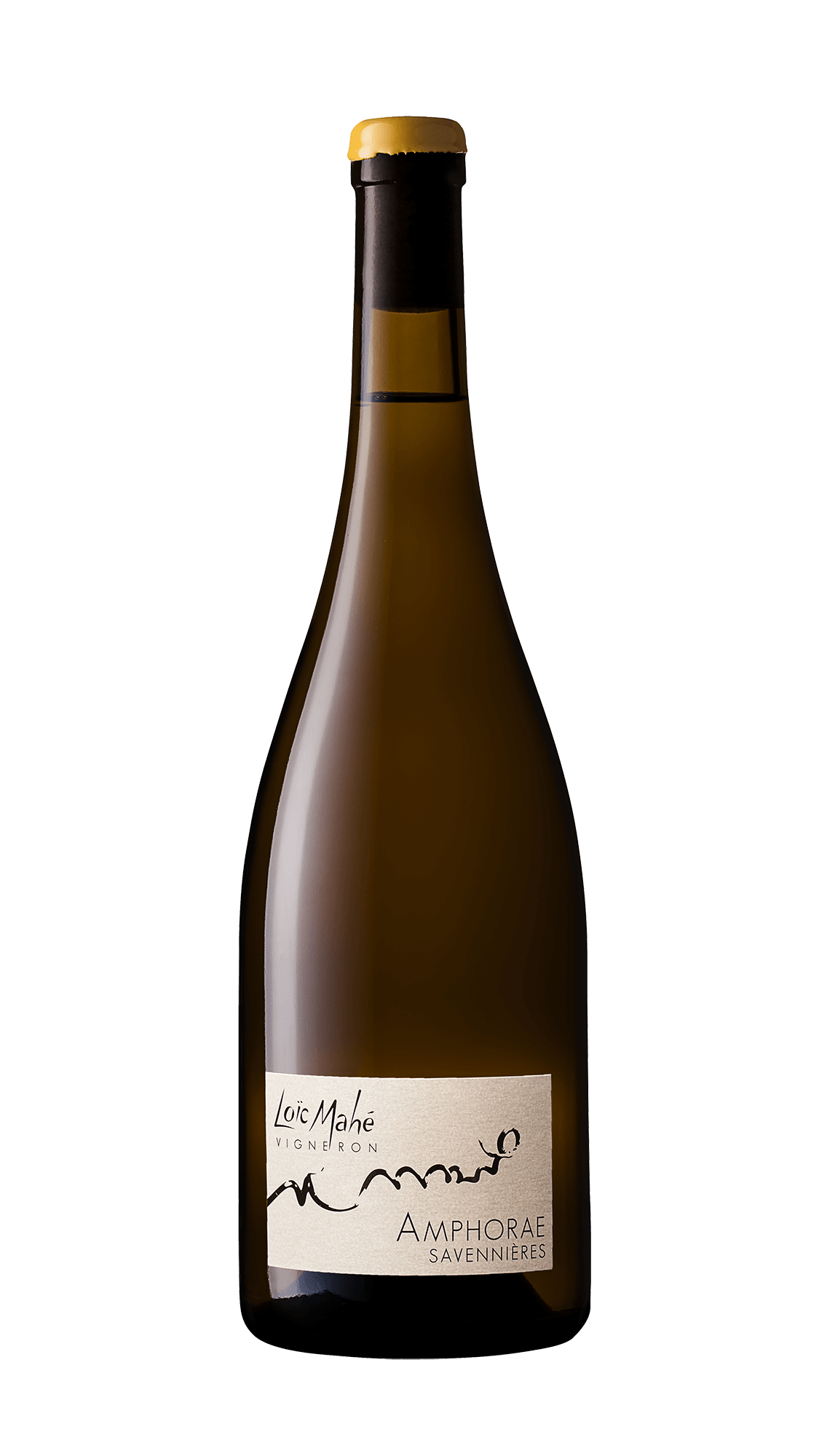
Loïc Mahé
Loïc Mahé Savennières
Chenin Blanc · Savennières, Loire Valley
Orchard fruit, with a Loire soul
Baked apple, quince and pear, with subtle floral and savoury notes underneath, carried by bright acidity and a mineral, almost saline freshness. Generous and precise at the same time.
The producer
This month, I wanted to introduce you to Loïc Mahé through Savennières, one of the Loire Valley’s most distinctive expressions of Chenin Blanc. What interests me here is the connection between the producer and the place. Rather than looking for a familiar grape name alone, we are discovering a wine through the small appellation that gives it its identity.
The place
Savennières lies in Anjou, in France’s Loire Valley, where Chenin Blanc is capable of remarkable texture and depth. The region is particularly known for dry Chenin with freshness and structure. If you usually think of Chenin as simply crisp and fruity, this is a lovely opportunity to discover another side of the grape: a wine with presence at the table and a character that continues to unfold in the glass.
Why I chose it
What I love about Loïc Mahé’s Chenin Blanc is the way it manages to feel generous and precise at the same time. There is real texture here, but it is carried by bright acidity and a mineral, almost saline freshness that keeps the wine lively. With a little air, the fruit becomes more expressive, moving through apple, pear and other orchard fruit, with subtle floral and savoury notes underneath. That balance of richness and tension is very much what makes Chenin Blanc from this part of the Loire so compelling.
In the glass
Baked apple, quince and pear, with subtle floral and savoury notes underneath, carried by bright acidity and a mineral, almost saline freshness. Generous and precise at the same time.
Food pairing
At the table, I would love this with pork and apples, roasted squash, or a squash ravioli with brown butter. Those dishes have enough richness and gentle sweetness to meet the wine’s texture, while its acidity keeps everything fresh and brings the fruit back into focus.
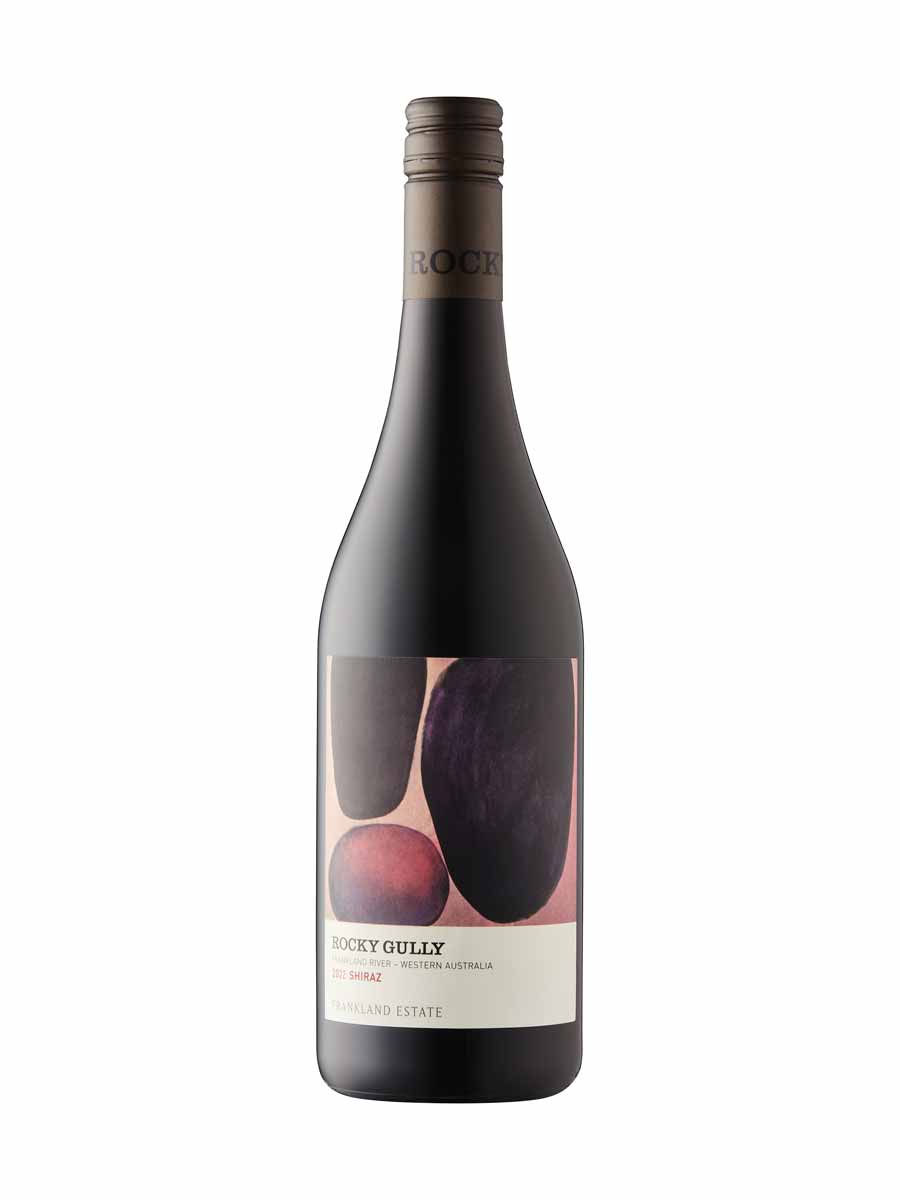
Frankland Estate · 2022
Frankland Estate Rocky Gully Shiraz
Shiraz · Frankland River, Western Australia
Autumn spice, with a gentle touch
Gentle pepper, blueberry and dark plum, with warming spice and freshness. A graceful Shiraz for the season’s slower dinners.
The producer
Our next discovery comes from Frankland Estate in Western Australia. I wanted to share Rocky Gully because it opens a different conversation about Australian Shiraz. It is easy to have one familiar style in mind when we see Australia on a label, but the producer’s home matters enormously. Here, the story begins in Frankland River rather than in one of Australia’s warmer growing regions.
The place
Frankland River is part of Western Australia’s Great Southern wine region. Its relatively cool growing conditions help explain why Shiraz from this area can combine dark fruit and pepper with such appealing freshness. Shiraz and Syrah are the same grape, but their expression changes with the place and the choices behind the wine. This bottle is a reminder to look beyond the grape name and discover the region behind it.
Why I chose it
Rocky Gully is a lovely reminder that Australian Shiraz does not have just one personality. I chose it for its spice and freshness as much as its fruit. Think rosemary lamb, braised beef or a slow autumn stew, and notice how the wine complements those deeper flavours without overwhelming the meal.
In the glass
Gentle pepper, blueberry and dark plum, with warming spice and freshness. A graceful Shiraz for the season’s slower dinners.
Food pairing
Braised beef, rosemary lamb or a hearty autumn stew
October selections · Bottle photographs courtesy of Loïc Mahé and the LCBO.
This month’s learning theme
Old World vs. New World
A place on the map, not a promise in the glass.
These terms began as history and geography, then gathered expectations along the way. Here is what they once meant, and how much of that has changed.
Historically, the terms Old World and New World described a difference in history as much as geography. Old World referred largely to Europe’s established wine regions, where grape varieties, appellation rules, vineyard practices and cellar traditions developed over centuries. New World referred to wine regions outside Europe, including Australia, New Zealand, South Africa, the United States, Chile, Argentina and Canada, where modern commercial winemaking generally developed later.
For many years, those labels also came with fairly reliable stylistic expectations. Cooler European regions often produced wines with higher acidity, more restrained fruit and somewhat lower alcohol, while many warmer New World regions became known for riper fruit, fuller body and more noticeable oak. But these were always tendencies rather than rules, and today the distinction is increasingly blurred.
Old World
Historically associated with freshness, savoury character, prominent acidity and a more restrained expression of fruit.
Oak, when used, was often intended to support the wine rather than dominate it, and alcohol levels were frequently somewhat lower, particularly in cooler regions.
New World
Historically associated with riper fruit, fuller body and, especially during the late twentieth century, more obvious use of new oak.
Alcohol was often somewhat higher, particularly in warmer climates.
One difference often associated with the Old World was vine age. Older vines generally produce less fruit and can give more concentrated flavours, although age alone is no guarantee of quality. And old vines are certainly not confined to Europe. Australia, for example, has surviving Shiraz and Grenache vines dating back to the nineteenth century, including some of the oldest producing vines in the world.
What has changed most dramatically is the amount of exchange between the two worlds. Producers everywhere now borrow techniques, ideas and philosophies from one another. Earlier harvesting can preserve acidity and freshness, while later harvesting can produce greater ripeness and potential alcohol. Winemakers on both sides of the map experiment with spontaneous fermentation, whole bunches, different vessel sizes and varying amounts of new oak. These are increasingly choices of producer and place rather than simply Old World or New World.
Chardonnay tells the story particularly well. The rich, buttery, heavily oaked styles once strongly associated with parts of Australia and California are no longer the only New World model. Many producers now favour earlier harvesting, brighter acidity and more restrained oak. At the same time, warmer growing seasons have allowed some European regions to produce Chardonnay with greater ripeness, body and alcohol than was typical several decades ago.
The result is that a blind taster can no longer safely assume that a restrained Chardonnay comes from Burgundy, or that a ripe, generous Chardonnay comes from California or Australia. The stylistic lines have become much less predictable.
So the terms Old World and New World are still worth knowing, but they are no longer a promise of what will be in the glass. They tell us something about a wine’s geography, history and regulatory tradition. They tell us considerably less about whether the wine will be elegant or powerful, restrained or ripe.
Today, climate, vineyard site and the choices of the winemaker often tell us more than the continent does.